Nyerere National Park
Nyerere National Park, situated in southeastern Tanzania, is the largest national park in Africa, covering an area of approximately 30,893 square kilometers. Named in honor of the nation’s founding president, Mwalimu Julius Nyerere, the park was established in 2019 from the northern sector of the historic Selous Game Reserve. It remains one of the most significant undisturbed ecosystems on the continent, characterized by its remote location and diverse habitats.
Historical Context and Heritage
The park’s origins trace back to the Selous Game Reserve, established in 1922 and designated a UNESCO World Heritage Site in 1982. The transition of the northern sector to national park status reflects Tanzania’s commitment to heightened conservation standards. Beyond Kilimanjaro Tours operates within this vast wilderness, providing professional expeditions that respect the park’s ecological integrity and historical significance.
The Rufiji River Ecosystem
The defining feature of Nyerere National Park is the Rufiji River, the largest river system in Tanzania. The river and its complex network of interconnected lakes, lagoons, and channels create a vital lifeline for the region’s wildlife.
-
Landscape Diversity: The park encompasses open grasslands, dense Miombo woodlands, expansive swamps, and riverine forests.
-
The Riverine Habitat: The waterways are inhabited by significant populations of hippopotami and Nile crocodiles, while the banks provide a reliable water source for large mammals throughout the year.
Wildlife and Biodiversity
Nyerere National Park is home to a high concentration of wildlife, offering sightings that are often more secluded than those in the northern parks.
-
Predators and Rare Species: The park is a critical stronghold for the African wild dog, an endangered species rarely seen elsewhere in East Africa. It also supports healthy populations of lions, leopards, and cheetahs.
-
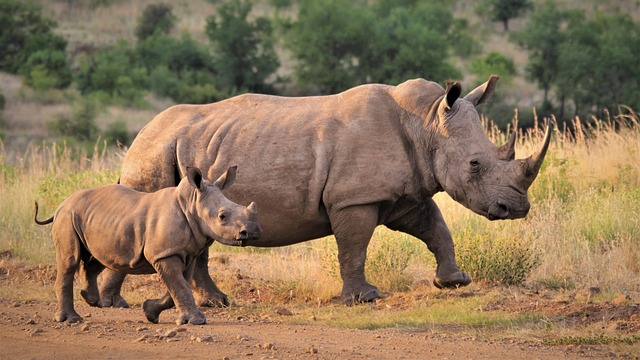
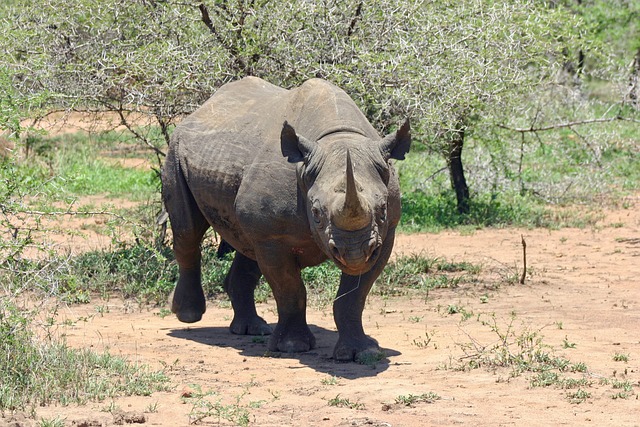
Large Mammals: Travelers can observe vast herds of buffalo and elephants, alongside zebras, giraffes, wildebeests, and various antelope species, including the sable and greater kudu.
-
Primates: The riverine forests are home to several primate species, notably the black and white colobus monkey.
Ornithology
With more than 440 recorded bird species, the park is an essential destination for birdwatching. The diverse environments—ranging from alkaline lakes to riverine forests—attract a variety of resident and migratory species, including fish eagles, kingfishers, and various herons.
Specialized Safari Experiences
Beyond Kilimanjaro Tours utilizes Nyerere’s unique geography to offer a multi-faceted safari experience:
-
Boat Safaris: Unlike many other Tanzanian parks, Nyerere offers the opportunity to explore wildlife from the water. Boat excursions on the Rufiji River provide an exceptional perspective on aquatic life and animals drinking at the shoreline.
-
Professional Game Drives: We utilize open-sided 4×4 vehicles designed for optimal wildlife viewing and photography across the park’s varied terrain.
-
Guided Walking Safaris: Accompanied by an armed ranger and our expert guides, these walks offer an intimate look at the flora, tracking signs, and smaller ecosystems that are often overlooked from a vehicle.
Planning Your Expedition
Best Time to Visit
-
Dry Season (June to October): This is the premier time for wildlife viewing. As the park dries out, animals congregate in high densities around the Rufiji River and its permanent lakes.
-
The Green Season (January to April): The landscape becomes lush and vibrant. This is the optimal period for birdwatching and observing the park’s botanical diversity, though some remote roads may become challenging to navigate.
Access and Logistics
-
By Air: Most visitors utilize scheduled bush flights from Dar es Salaam or Arusha. The flight from Dar es Salaam takes approximately 45 minutes, offering an efficient and scenic entry into the park’s various airstrips.
-
By Road: The park is accessible by road from Dar es Salaam (approximately 280 km). The journey takes roughly 5 to 6 hours and offers a transition through local communities and the Mikumi ecosystem.
Professional Standards with Beyond Kilimanjaro Tours
Our expeditions to Nyerere National Park are managed with a focus on expertise and seamless logistics.
Our services include:
-
Professionally guided game drives and boat safaris.
-
Coordination of all park permits and conservation fees.
-
Expert-led walking and birdwatching excursions.
-
High-quality logistical support including clean drinking water and fresh meals.