Climbing Mount Kilimanjaro
Expert Led Treks to Africa’s Highest Peak
Why Climb with Beyond Kilimanjaro Tours?
At Beyond Kilimanjaro Tours, we believe that reaching the summit of Mount Kilimanjaro (5,895m) is a result of meticulous preparation and professional support. As a locally-owned operator based at the foot of the mountain, we bridge the gap between authentic Tanzanian hospitality and international safety standards.
Local Heritage, Global Standards: Our roots are in the Kilimanjaro region. We combine this innate knowledge of the mountain with rigorous logistical protocols.
Uncompromising Safety: Our success is measured not just by the summit, but by the health and well-being of every climber and crew member.
Ethical Trekking: We are committed to the fair treatment of our mountain crews. As part of our ethical standards, we ensure our porters receive fair wages, proper gear, and nutritious meals.
Expert Leadership: Our guides are seasoned professionals with hundreds of successful summits and advanced training in high-altitude medicine.
Choosing Your Route
Each route on Kilimanjaro offers a different perspective on the mountain. We offer six primary routes, tailored to varying experience levels and timeframes.
Lemosho Route (7 or 8 Days): Our top recommendation. It offers the best balance of scenic beauty, low traffic, and high success rates due to excellent acclimatization.
Machame Route (6 or 7 Days): Known as the “Whiskey Route,” it is popular for its varied scenery and “climb high, sleep low” opportunities.
Marangu Route (5 or 6 Days): The only path offering hut accommodations. It is often perceived as the “easiest,” though its quick ascent requires discipline.
Northern Circuit (9 Days): The longest and most remote route, offering 360-degree views and the highest success rate on the mountain.
Rongai Route (6 or 7 Days): Approaching from the north near the Kenyan border, this route is drier and offers a quieter wilderness experience.
Umbwe Route (6 Days): The shortest and steepest path, reserved for experienced trekkers seeking a direct and challenging ascent.
Umbwe Route
Lemosho Route
Machame Route
Marangu Route
Northern Circuit Route
Rongai Route
Safety and Acclimatization
Safety is the cornerstone of our operations. High-altitude trekking carries inherent risks, which we mitigate through strict daily monitoring and advanced equipment.
Daily Health Monitoring
Our guides perform twice-daily health checks for every climber. These include:
Pulse Oximetry: Measuring oxygen saturation levels (SpO2) and heart rate.
Lung Function Checks: Using stethoscopes to monitor for signs of fluid in the lungs.
Lake Louise Scoring System: A standardized questionnaire to track symptoms of Altitude Mountain Sickness (AMS).
Professional Equipment
Every expedition we lead is equipped with:
Medical Oxygen: For emergency descent support.
Comprehensive First Aid Kits: Stocked for high-altitude medical requirements.
Communication Systems: Constant contact with our base in Arusha for rapid response.
Gear and Packing Guidance
The secret to a comfortable climb is a versatile layering system. Temperatures can range from 30°C (86°F) in the forest to -20°C (-4°F) at the summit.
Essential Equipment
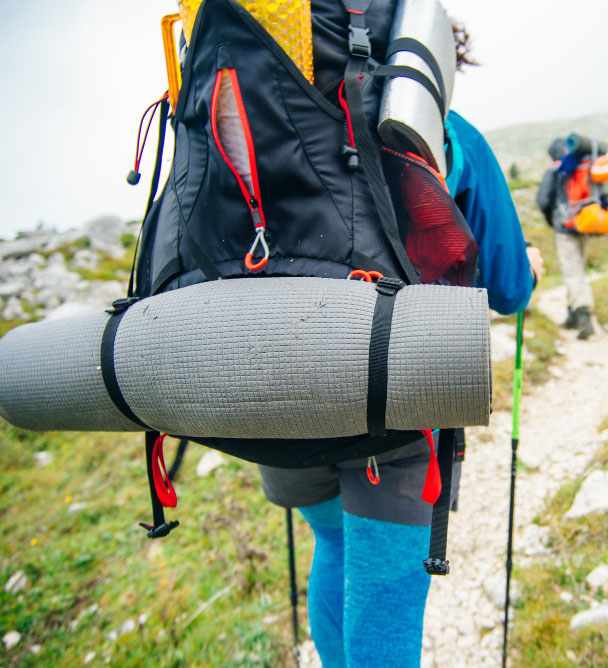
Footwear: Well-broken-in waterproof hiking boots and warm thermal socks.
Clothing: Moisture-wicking base layers, an insulating fleece or down jacket, and a waterproof outer shell.
Headgear: A brimmed hat for sun protection and a heavy thermal beanie for the summit.
Sleeping Gear: A four-season sleeping bag rated for sub-zero temperatures.
Rental Services: For international travelers who prefer not to transport heavy gear, we maintain a professional gear hub in Tanzania where high-quality equipment is available for rent.
Nutrition for the Climb
High-altitude exertion requires a high-calorie diet. Our mountain chefs prepare fresh, nutrient-dense meals designed to maintain energy and facilitate digestion at elevation.
Fresh Ingredients: We replenish our supplies throughout the trek to ensure fresh vegetables, fruits, and meats are available.
Hydration Focus: We provide treated, filtered water and encourage the intake of soups and hot beverages to combat dehydration.
Dietary Requirements: We easily accommodate vegetarian, vegan, gluten-free, and other specific dietary needs with prior notice.
What to Expect on the Trail
A typical day on the mountain is structured to maximize your comfort and success.
The Morning Routine: A 6:00 AM wake-up with hot tea, followed by a hearty breakfast before starting the day’s trek by 8:00 AM.
The Pace: You will hike slowly (Pole Pole). This is essential for acclimatization. Most days involve 4 to 7 hours of walking.
Camp Life: Upon arrival at camp, your tents will already be pitched by our porter team. Evenings are for rest, health checks, and a shared dinner in the mess tent.
The Summit Push: Usually beginning around midnight on your final ascent day, this is the most challenging and rewarding part of the trek, reaching the peak as the sun rises.
Private and Group Tours
Beyond Kilimanjaro Tours offers flexibility to suit your travel style.
Scheduled Group Climbs: Join a group of like-minded international travelers. These climbs are a great way to meet people and share the experience.
Private Treks: Ideal for families, friends, or solo travelers who want a customized pace, specific dates, and a dedicated crew.
Custom Itineraries: We can add extra acclimatization days or combine your climb with a safari or Zanzibar retreat.